
R&D-intensive advanced manufacturing is experiencing a renaissance in the Bay Area and MEYERS+ is right in the middle of it.
While software and AI continue to dominate headlines, a growing number of companies are investing to making technology-driven physical products: autonomous vehicles, next-generation robotics, satellite systems, and advanced energy technology. These are not traditional factories. They are highly technical environments that look and function more like a hybrid of a research laboratory, a data center, and a production floor - simultaneously.
At MEYERS+, we have been working directly inside this shift. Projects such as with Zoox, Amazon's autonomous vehicle company building the country's first purpose-built robotaxi production facility in Hayward, have given us a front-row perspective on what these facilities require, and what it takes to deliver them well.
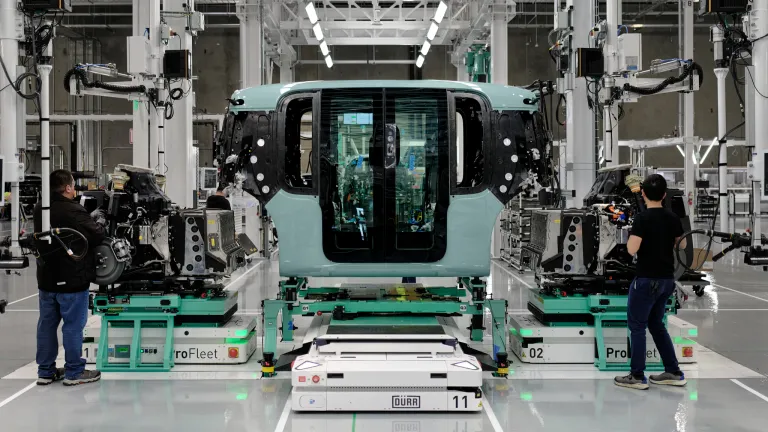
ZOOX HAYWARD PRODUCTION FACILITY
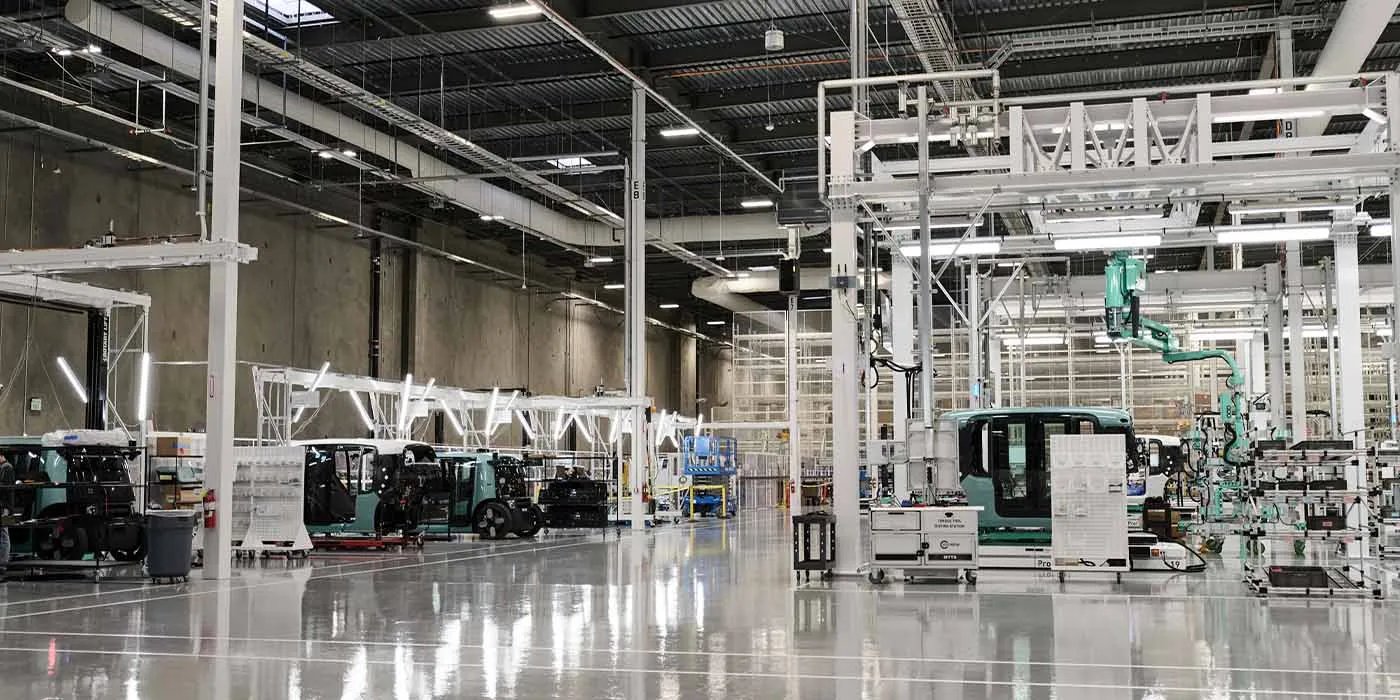
What we have learned is that the old maxim—location, location, location now comes with a critical addendum: power, power, power. Without sufficient power and the MEP infrastructure to support it, these facilities simply do not work.
A Different Kind of Industrial User
The new generation of advanced manufacturing tenants looks nothing like the industrial users of previous decades. These companies are simultaneously designing, prototyping, testing, and producing highly complex systems - often under compressed timelines and with rapidly evolving processes.
Their buildings need to support:
High electrical loads for production equipment and large-scale testing
Significant mechanical systems for process cooling and continuous ventilation
Tight environmental controls in assembly and calibration areas
Flexibility to adapt as equipment, processes, and power demands evolve
In many ways, this is familiar territory for our team. The Bay Area's experience delivering life science buildings—especially over the past decade created a strong foundation for understanding complex MEP systems, high electrical densities, and process-driven mechanical demands. Advanced manufacturing builds on that foundation and often pushes further.
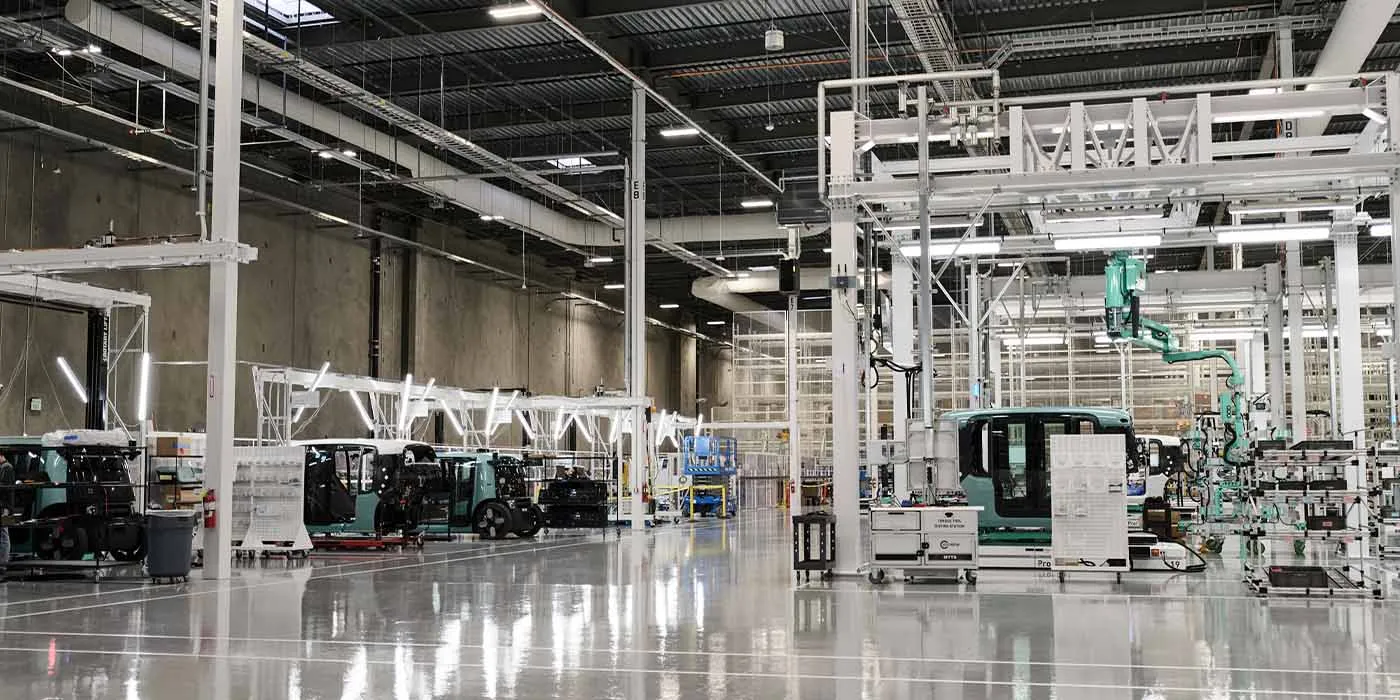
ZOOX HAYWARD PRODUCTION FACILITY
What’s the Demand?
Power density is where the demands of advanced manufacturing become vividly real.
A typical warehouse might operate at 5–10 watts per square foot. Even a well-equipped commercial office building rarely exceeds 15–20 watts per square foot. Advanced manufacturing facilities, by contrast, commonly require 50–150+ watts per square foot in production areas—with specialized testing environments and large equipment clusters reaching even higher. A single 100,000 square foot facility can easily require 3–12 megawatts of total power, placing it in the same infrastructure conversation as a data center.
Unlike traditional industrial users, these loads are also rarely steady or predictable. Equipment cycles, testing protocols, and expansion plans introduce variability that must be accounted for from the earliest stages of design—not addressed as an afterthought.
In the Bay Area, accessing that level of power is far from guaranteed. Utility infrastructure in many locations was not designed for these kinds of loads, and upgrading it takes time - often 12 to 24 months or more, with multi-million-dollar investments in new feeders, substations, or switching equipment. For developers and owners, this means power availability is no longer a downstream design question. It is a go/no-go decision that must be addressed in site selection.
More Than Power: The Full MEP Picture
Electrical capacity tends to lead the conversation, but it is only one dimension of what makes these projects complex.
Process mechanical loads are equally demanding. Production equipment generates continuous heat rejection requirements that be two to three times that of a typical commercial building. Ventilation requirements include high air change rates, dedicated exhaust for fumes or particulates, precision filtration - require design consideration and substantial space both inside and outside the building envelope.
These systems need to be integrated into the building's architecture from the very beginning. When they are treated as add-ons, the cost and schedule consequences are significant.
Designing for a Future That Keeps Changing
One of the biggest challenges in advanced manufacturing is that the end state is rarely fixed.
Companies are iterating on their products and processes in real time. Equipment changes. Production scales. Power demands increase. Change is the only constant.
Designing a building around a single, static program can quickly lead to obsolescence.
Instead, the most successful projects are designed with flexibility in mind:
Electrical systems with capacity for expansion
Space allocated for future transformers and switchgear
Modular distribution that can be reconfigured as needs change
Mechanical systems that can scale with process loads
This is where experience with flexible speculative life science buildings becomes highly relevant. Designing “MEP-ready” shells that can accommodate a range of tenants and uses is a strategy that translates directly to advanced manufacturing.
Speed Is a Constraint, Not Just a Goal
Many of our advanced manufacturing clients are operating in fast-moving, competitive sectors. Getting a facility operational quickly can be the difference between leading a market and falling behind. Incongruously, the long lead times associated with utility upgrades and specialized infrastructure create real friction.
The strategies that help most are straightforward in concept, but require early, coordinated action:
Engaging utilities early to understand capacity, timelines, and required upgrades
Pre-investing in electrical and mechanical infrastructure ahead of full tenant commitment
Phasing construction to align with available power delivery milestones
Exploring on-site generation or energy storage as supplemental solutions where appropriate
None of these eliminate the challenge, but early engineering engagement—before architects have finalized a layout and before developers have committed to a program—is where the most value is created.
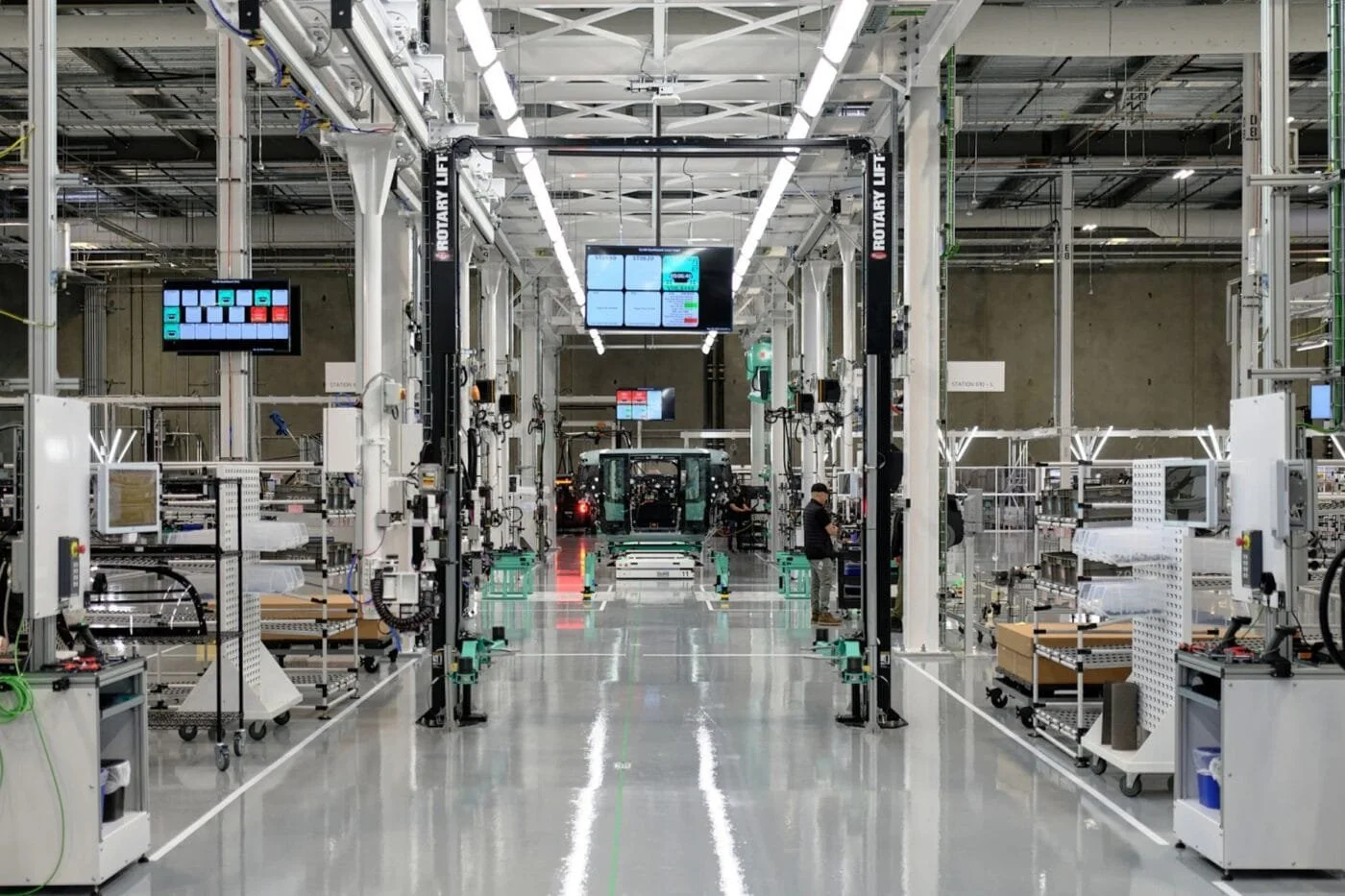
ZOOX HAYWARD PRODUCTION FACILITY
Sustainability and High Energy Use
Advanced manufacturing facilities consume significant amounts of energy. Many of the companies building them are also deeply aligned with clean technology and decarbonization goals: Zoox is building electric autonomous vehicles, after all. Holding both realities at once requires thoughtful design.
The Bay Area benefits from a relatively clean and increasingly renewable grid, which helps. But the scale of demand means that on-site solar, battery storage, and heat recovery systems are increasingly part of the conversation from the outset—not as sustainability extras, but integral components of a high-performance MEP strategy.
What This Means for Our Work—and Yours
The return of manufacturing to the Bay Area looks different than it did in prior generations. It is cleaner, more precise, and more technology driven. It is also far more demanding from a building systems perspective than anything that came before it.
For developers, architects, and building owners, this shift creates real opportunity and moreover, real risk that needs to be managed. The projects that succeed are the ones where engineering is treated as a strategic partner from the earliest stages, not a service provider brought in once the architectural design is set.
At MEYERS+, this is exactly the kind of research-intensive work we have built our practice around.